If you’ve ever tossed and turned in bed, staring at the ceiling, you know how frustrating it is to not fall asleep quickly. Quality sleep is essential for focus, mood, productivity, and long-term health. Yet millions of people struggle with sleep onset insomnia — difficulty falling asleep within 30 minutes.
The good news? With the right habits and in-bed techniques, you can train your body and mind to fall asleep faster and enjoy deeper, more restorative sleep.
In this guide, you’ll learn both foundational sleep habits and science-backed relaxation techniques proven to help you drift off quickly.
Why Falling Asleep Fast Matters
Lack of sleep doesn’t just make you groggy the next day — it increases your risk of stress, weight gain, weakened immunity, heart disease, and even cognitive decline. Research shows that people who sleep less than 6 hours regularly have higher rates of chronic illness.
Prioritizing sleep is one of the most impactful things you can do for long-term health.
Foundational Habits for Falling Asleep Faster
These lifestyle shifts set the stage for restful sleep:
Stick to a Consistent Sleep Schedule
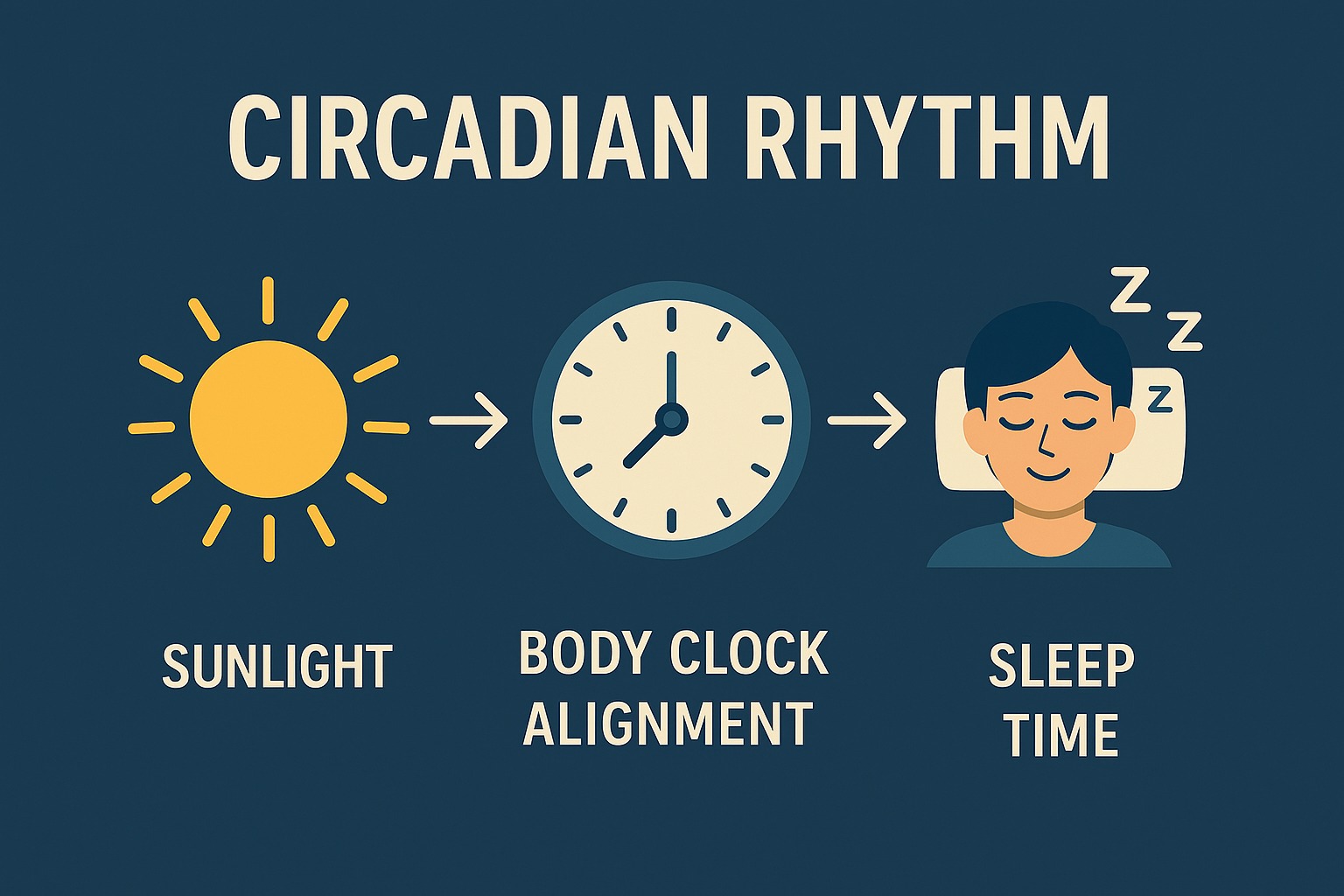
Your body has a natural clock — the circadian rhythm. Going to bed and waking up at the same time daily trains your brain to release melatonin at the right time.
Tip: Even on weekends, try not to vary bedtime/wake-up by more than an hour.
Use Light Strategically
- Morning light: Exposure to natural sunlight within an hour of waking improves circadian alignment.
- Evening darkness: Dimming lights and reducing screen exposure 1–2 hours before bed signals your body it’s time to wind down.
Exercise (But Not Too Late)
Regular movement improves sleep quality. Aim for 30 minutes of moderate activity most days. Avoid vigorous workouts too close to bedtime — they may keep you wired.
Watch What You Eat and Drink
- Caffeine: Cut off after 2 p.m. (it can linger for 6+ hours).
- Alcohol: May make you sleepy, but disrupts deep sleep cycles.
- Heavy meals: Eat dinner at least 2–3 hours before bed to prevent indigestion.
Create a Wind-Down Routine
A bedtime ritual tells your brain it’s time to rest. Examples include light stretching, journaling, or reading. Consistency is key.
Manage Stress Before Bed
Stress is a top reason people struggle to fall asleep. Techniques like meditation, gratitude journaling, or writing down worries before bed reduce racing thoughts.
Optimize Your Bedroom Environment
- Temperature: Keep it cool (60–67°F / 16–19°C).
- Light: Use blackout curtains or an eye mask.
- Noise: Try white noise machines or earplugs.
- Comfort: Invest in a supportive mattress and pillows.
In-Bed Techniques to Fall Asleep Quickly
Once you’re in bed, these techniques help shift your body into sleep mode:
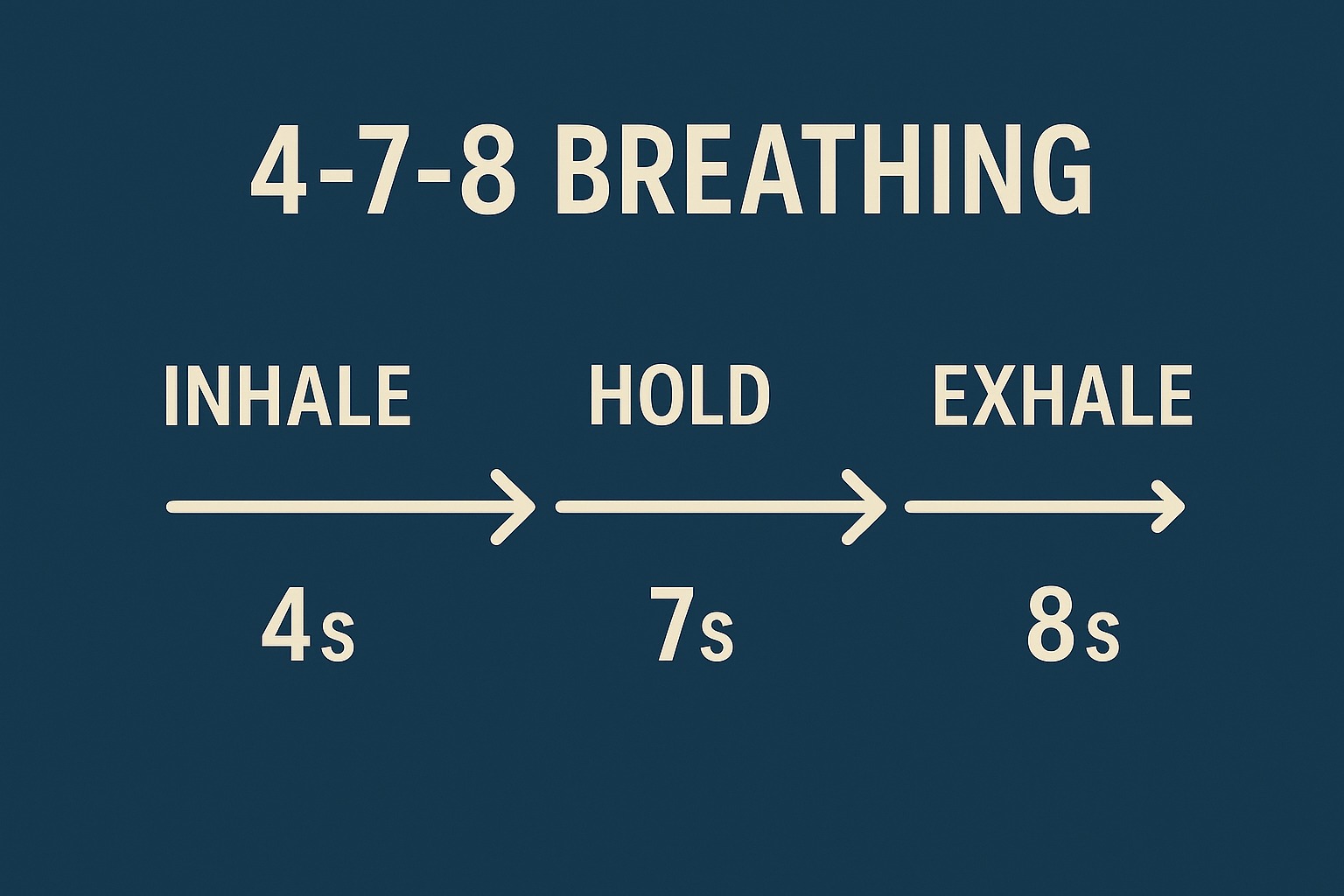
The 4-7-8 Breathing Method
- Inhale through your nose for 4 seconds
- Hold for 7 seconds
- Exhale through your mouth for 8 seconds
Repeat 4 cycles. This relaxes your nervous system and slows your heart rate.
Progressive Muscle Relaxation (PMR)
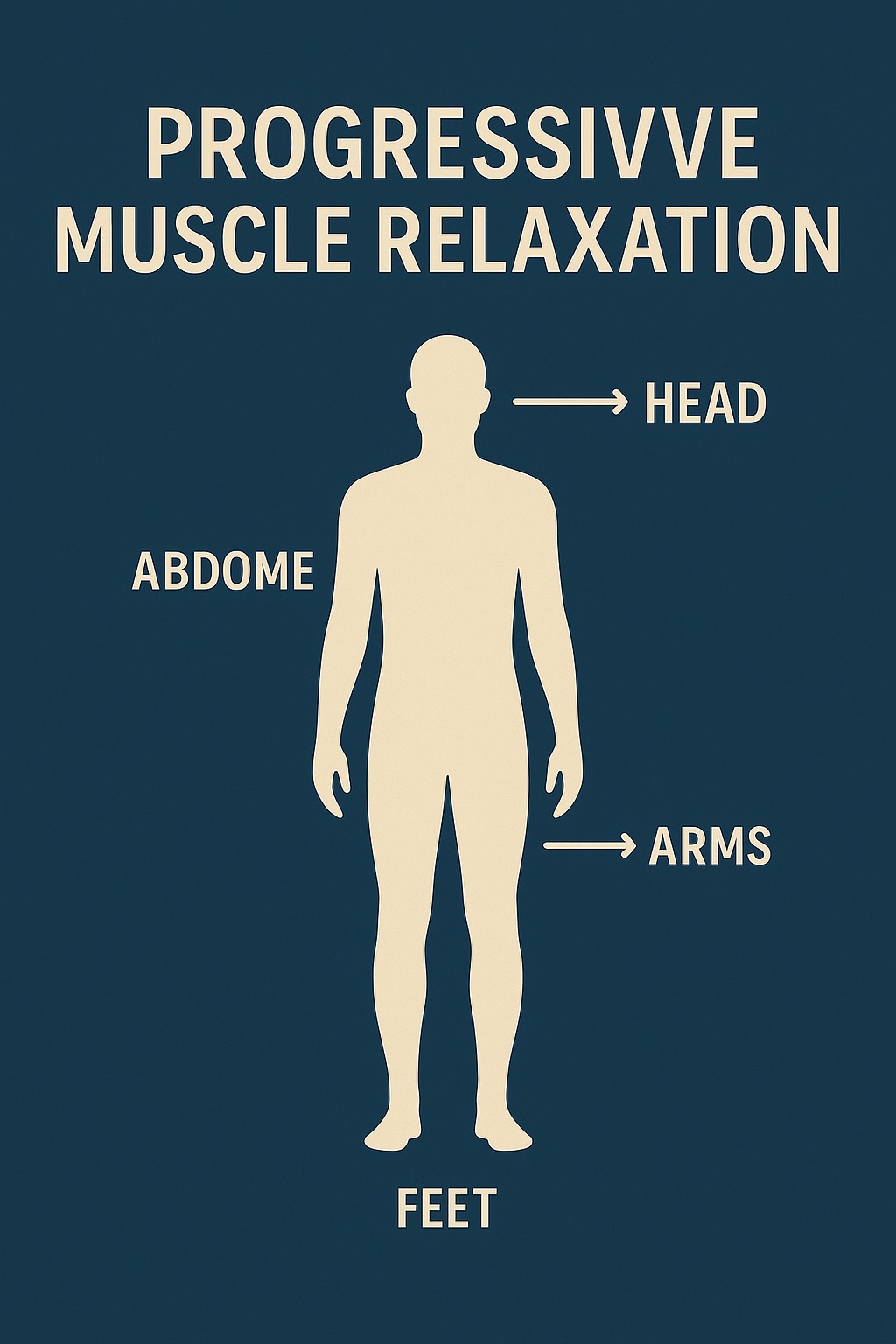
Start at your toes, tense each muscle group for 5 seconds, then release. Move upward: calves → thighs → stomach → arms → face. This releases stored tension.
Mental Imagery
Visualize calming scenes like a beach, forest, or floating on clouds. Engage all senses — what do you see, hear, and smell? This distracts from anxious thoughts.

Paradoxical Intention
Instead of trying to fall asleep, try to stay awake. This counterintuitive trick reduces anxiety around sleep and helps you drift off naturally.
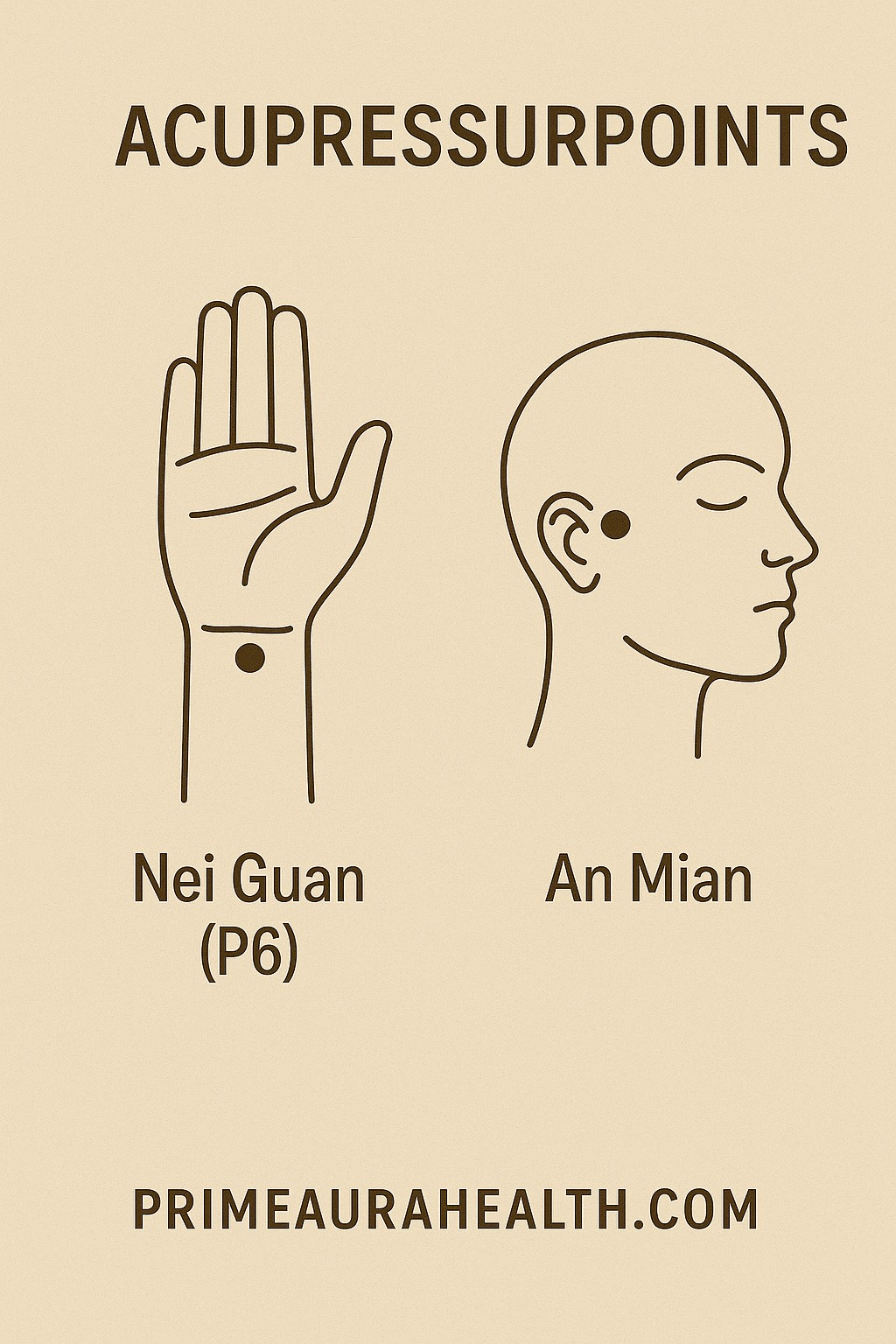
Gentle Acupressure Points
Applying light pressure to certain points may trigger relaxation:
- Spirit Gate (HT7): Wrist crease, below pinky.
- Inner Gate (P6): Inside wrist, three fingers down.
- Wind Pool: Base of skull, where neck meets head.
Extra Tips & Hacks
- Journal for 5–10 minutes before bed to “clear your head.”
- Take a warm shower or foot bath to trigger a body-cooling effect that promotes sleep.
- Use lavender or chamomile aromatherapy.
- Avoid long naps; if needed, keep them under 20 minutes.
When to Seek Help
If it takes you more than 30–60 minutes to fall asleep at least three nights per week, or if poor sleep affects your daytime life, consult a doctor. Conditions like insomnia or sleep apnea may require treatment.
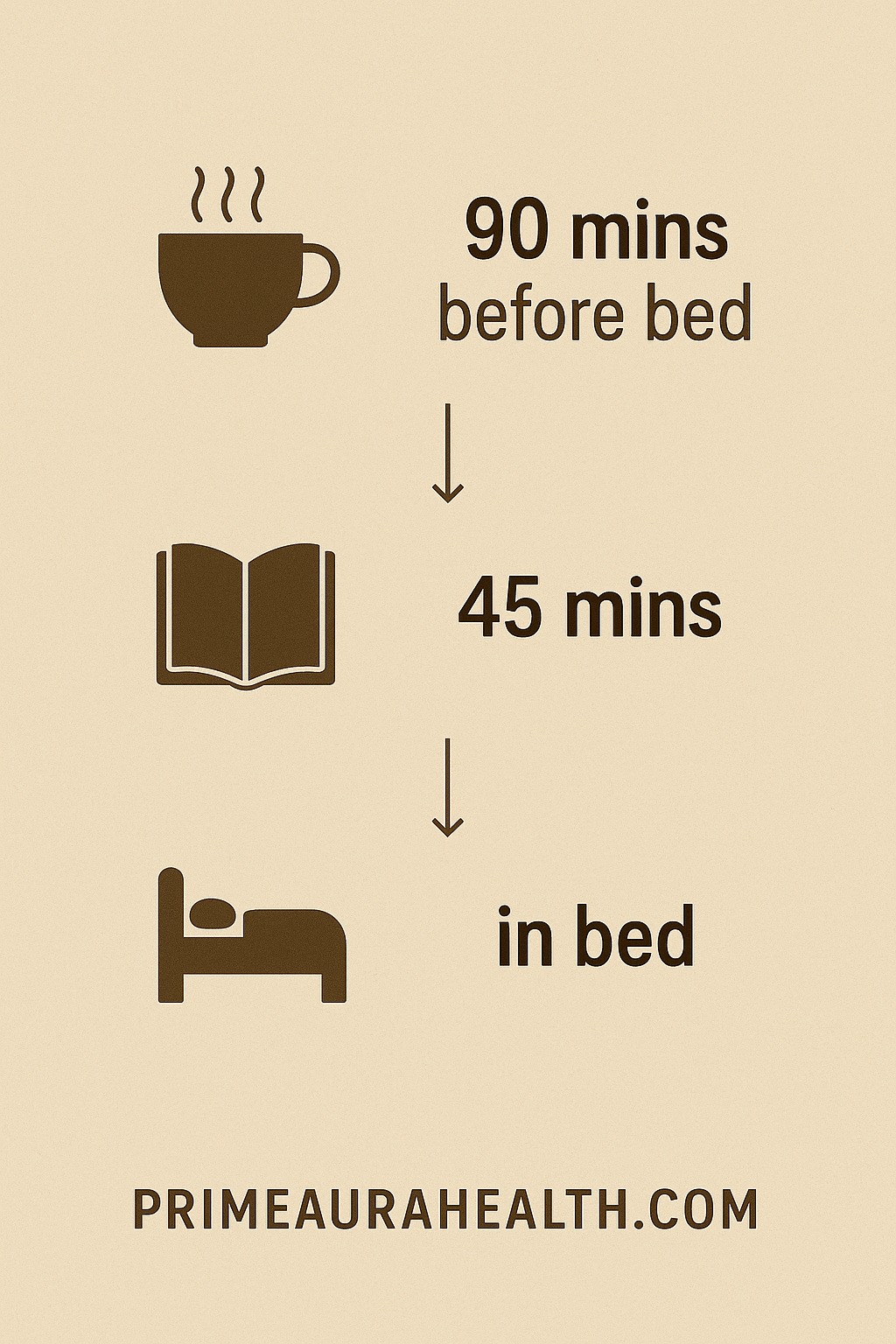
Sample Night Routine for Faster Sleep
| Time Before Bed | Activity |
|---|---|
| 90 minutes | Dim lights, turn off major screens |
| 45 minutes | Journal, light stretching, herbal tea |
| 20 minutes | Enter dark bedroom, quiet music or white noise |
| In bed | 4-7-8 breathing + PMR + visualization |
Final Thoughts
Falling asleep faster isn’t about one magic trick — it’s about combining consistent sleep hygiene habits with effective in-bed relaxation techniques. By building these into your daily life, you’ll not only fall asleep quicker but also wake up feeling more energized and focused.
Remember: Better sleep = better health, productivity, and mood.
SEO Keywords to Target: how to fall asleep fast, fall asleep quickly, sleep tips, better sleep, natural sleep remedies, how to sleep better, sleep hygiene, sleep routine.